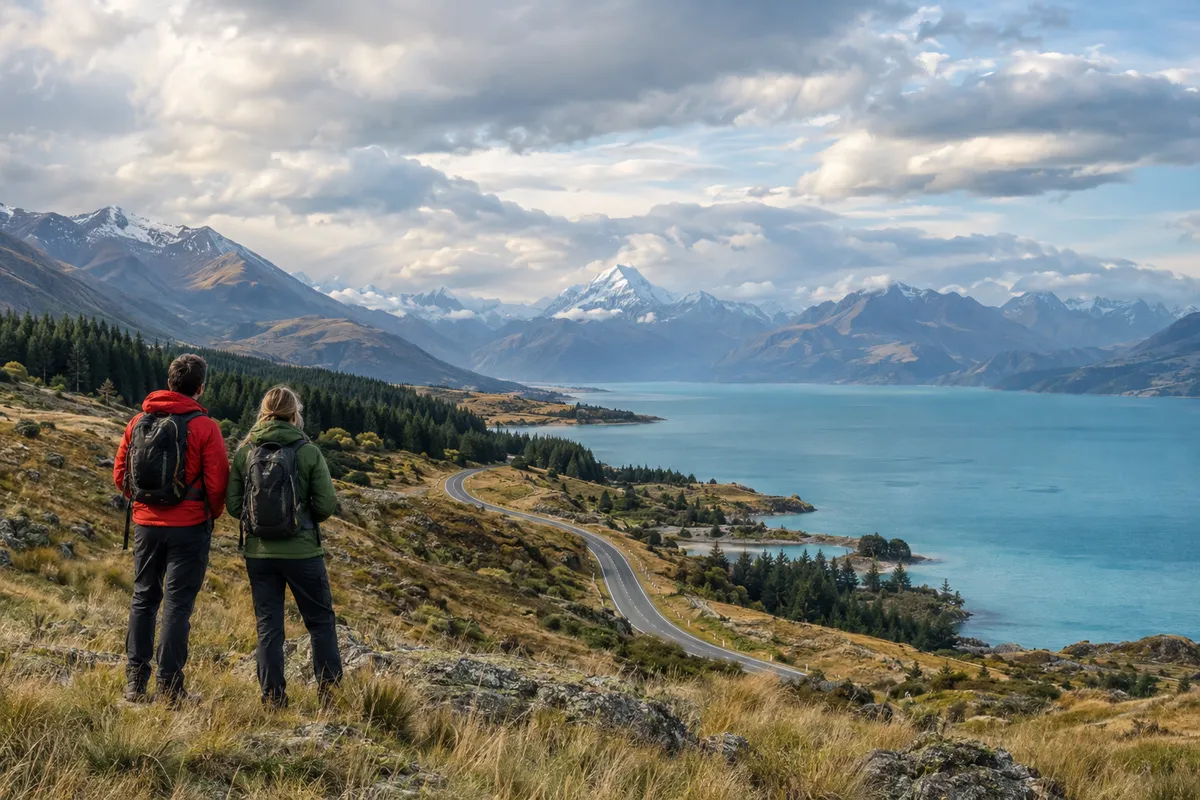
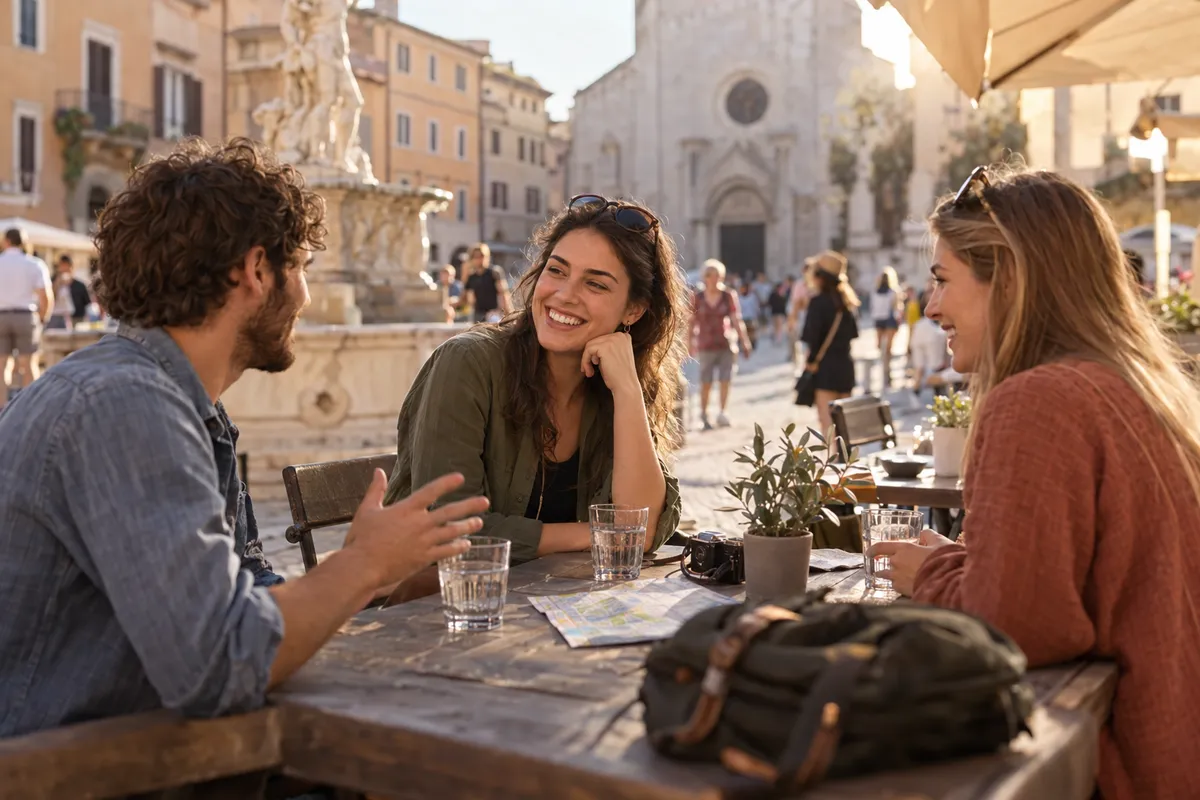
Booking a trip alone is the easy part. The scary part is the moment you're sitting at a table for one, phone out, wondering if everyone else has a squad except you. Here's how to make solo travel social without forcing it, using the Rick Steves-inspired advice Yahoo recently rounded up for solo tourists.
The core message from that coverage is simple: traveling alone can still be social, rewarding, and full of connection. Being solo doesn't mean being lonely. It means you get to choose when and how you connect.
A quick note on what I'm working from: the Yahoo piece is a short overview, so I'm not going to put words in Rick Steves' mouth or invent his exact rules. What follows is the spirit of that advice, plus my own take as someone who thinks about travel as a lifestyle, not just a vacation.
Reframe it: solo travel is built for meeting people
When you travel with a friend or partner, you talk to each other. When you travel alone, you talk to everyone else. That's the upside nobody posts about.
Solo travel is growing because more people want flexible, independent trips. The flip side is that many of those travelers want practical ways to avoid loneliness. So the goal isn't to become a different, louder person. It's to put yourself in places where connection happens on its own.
Pick social settings, not just sights
A museum is great, but it's a quiet place to make friends. If you want people, choose spots where talking is normal.
Places that tend to work
- Group tours and walking tours. Everyone's there to do the same thing, so you already have something in common.
- Food spots with shared tables or counters. Sitting at a bar or counter makes chatting easier than a two-top in the corner.
- Hostels and social stays. Common areas do the icebreaking for you, and they're a classic for a reason.
- Coworking spaces and cafes if you're a digital nomad. Regulars notice new faces fast.
These are my suggestions based on how people commonly meet on the road, not a list pulled from Steves himself. The principle is what matters: choose the setting, and the setting does half the work.
Plan one social anchor per day
You don't need to be "on" from breakfast to midnight. Try one anchor a day: a tour in the morning, a shared-table dinner at night, a language exchange meetup. Everything else can be your own thing.
This keeps you from burning out and gives you a built-in answer to the loneliness question. Even if the rest of the day is quiet, you've already had one real conversation.
Have a few easy openers ready
The hardest sentence is the first one. Keep it low-pressure and specific to the moment.
With fellow travelers
- "Where are you headed next?"
- "Have you tried anything good here? I'm looking for food recs."
- "Is this your first time in the city?"
With locals
- "What would you order here?"
- "I'm only here a few days. What's one thing I shouldn't miss?"
- Ask how to say something in the local language, then actually try it.
Asking for a recommendation works because it flatters the person and gives them something easy to answer. You're not asking for friendship, just a tip. Friendship can follow.
Learn a little of the local language
A few words go a long way. Hello, thank you, and "can you recommend something?" signal that you're curious rather than just passing through. Even clumsy attempts tend to soften the room. Locals often switch to English anyway, but the effort opens the door.
Stay safe while staying open
Feeling safe is what lets you be friendly. A few habits keep you comfortable:
- Meet new people in public, busy places first.
- Tell someone back home your plans for the day.
- Keep your own transport and your own accommodation sorted so you can leave whenever you want.
- Trust your gut. You never owe anyone your time.
These are common-sense travel habits, not claims from the Yahoo article, but they match its reassuring message: you can be social without feeling unsafe or awkward.
Make it a lifestyle, not a one-trip fix
If you're working remotely and moving between places, the same logic applies on a longer timeline. Return to the same cafe. Join the same weekly event. Familiar faces turn into friends faster than one-off encounters, and you'll feel less like a visitor.
Give yourself permission to enjoy the quiet
Not every moment alone is loneliness. Eating a perfect meal while people-watching, wandering with no plan, journaling at a viewpoint: that's the other half of why people go solo. The trick is knowing the difference between peaceful and isolated, and having a plan for when it tips toward the second.
Your move
On your next solo trip, pick one social anchor for tomorrow, whether it's a walking tour or a counter seat at a busy lunch spot, and ask one person for a recommendation. That's the whole experiment, and it's usually enough to change how the trip feels.