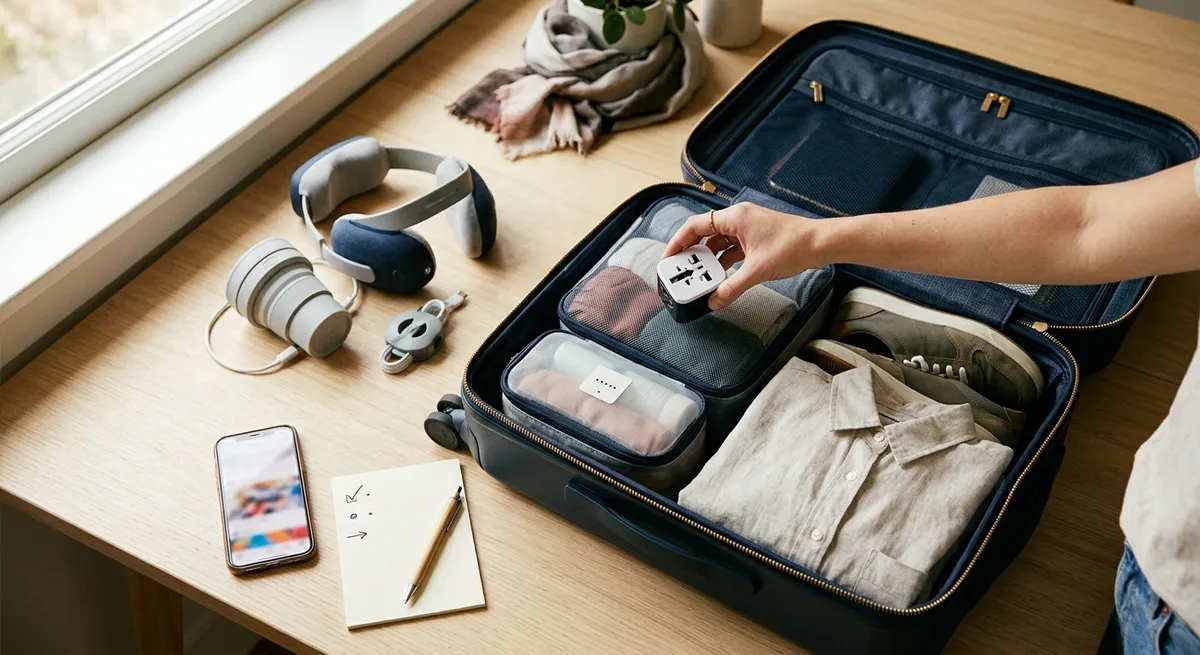
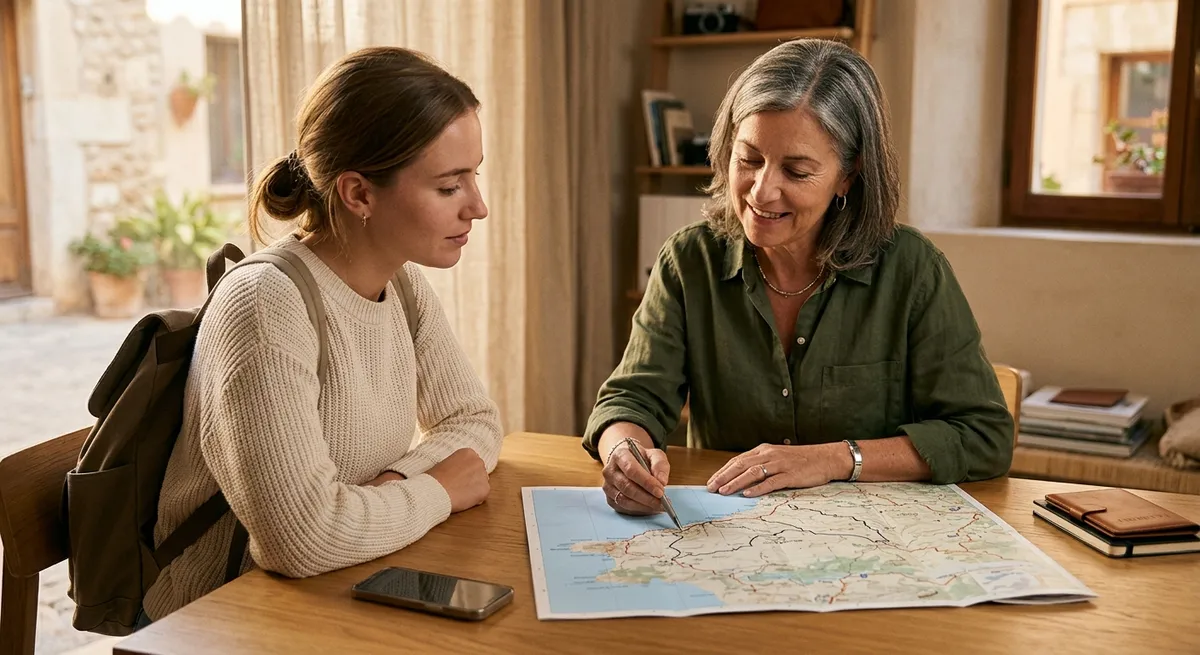
I book almost everything myself. Flights, stays, the questionable 6 a.m. bus: all of it comes from a laptop in a cafe with decent wifi. So when Elle ran a piece on how the travel agent became chic again, my first reaction was a skeptical eyebrow raise. Then I read the argument, and it holds up better than I expected.
Here's the practical payoff: by the end, you'll have a simple way to decide which trips deserve a human planner and which ones you should keep booking yourself.
What's actually happening
Per Elle, travel agents are making a comeback, though you'll now hear them called "travel advisors" or "trip designers." The pitch is that they offer human expertise, insider access, and problem-solving that online booking platforms can't match. Elle's description of the shift is blunt: travel has never been easier to book on your own, but that doesn't mean you have to.
The broader idea, as Elle frames it, is that in an era of algorithm-driven travel inspiration, real relationships and firsthand knowledge have become the new luxury.
That tracks with my own feed. Everyone sees the same viral cafe, the same cliffside viewpoint, the same "hidden gem" that is no longer hidden. When the algorithm hands everybody the same trip, someone who has actually been there starts to look like a premium product.
Why DIY booking can still leave you stuck
Elle points to a few pressures that make expert curation more appealing: overcrowded, Instagram-famous destinations, overwhelming booking options, and rising expectations for seamless trips.
As a nomad, I'd add my own take (this part is me, not Elle): having endless options is not the same as having good ones. Forty tabs open and three review sites that disagree is a real time cost. If your time is part of your income, that cost is easy to feel.
Advisor vs. Instagram inspo
This is the comparison that makes the most sense to me.
Instagram inspo
- Great for sparking ideas and picking a region.
- Shows you what looks good on camera, not necessarily what's good to experience.
- Pushes everyone toward the same spots, which is how places become overcrowded.
A travel advisor
- Brings firsthand knowledge rather than trending content.
- Can offer access and curation, the "insider" part of the pitch.
- Is a person you can go back to when something changes.
The two aren't enemies. Use your feed for the daydream, then ask whether it's the right plan before you commit money to it.
The real flex: someone who can fix the trip
The most interesting idea in this whole resurgence is a status shift. Having someone on your side who can fix a trip when it goes sideways is starting to read as the luxury, more than the hotel itself. Elle ties this to a wider cultural swing back toward human service, trust, and personalization in a digital-first world.
I've had a canceled connection in a country where I didn't speak the language. A chatbot that sends you a rebooking link is not the same as a person who knows the situation. I can see why that kind of backup feels chic.
How to decide: advisor or DIY?
These are my own rules of thumb, built from the logic of the piece rather than anything Elle prescribes.
Hire a human when:
- The trip is complicated. Multiple stops, tight connections, or several people with different needs.
- The destination is overrun. If everyone is going for the same viral reason, expert curation helps you avoid the tourist traps.
- A mistake would be expensive or hard to undo. A bad pick on a once-a-year trip stings more.
- Your time is worth more than the research. Hours of comparing options is a real cost.
- You want access, not just availability. Insider relationships are the product here.
Keep booking yourself when:
- It's a simple, cheap, flexible hop. A weekend away you can rebook in two taps doesn't need a planner.
- Discovery is the point. If wandering into the wrong neighborhood is the fun part, don't outsource it.
- You enjoy the planning. Some of us like the spreadsheet. That's valid.
How to make the most of an advisor
The source material doesn't cover pricing or fees, so ask about them upfront rather than assuming. Beyond that, a few sensible moves:
- Tell them what you want to feel, not just where you want to go.
- Share what you've already pinned from social media, then ask what they'd change and why.
- Ask about their firsthand experience with the places they recommend. That's the whole value, so test it.
- Clarify how they help if plans break mid-trip.
The takeaway
You don't have to pick a side between the app and the human. Before your next big trip, ask yourself one question: if this goes wrong, who do I call? If your honest answer is "a support chat," that might be the moment to find a person.