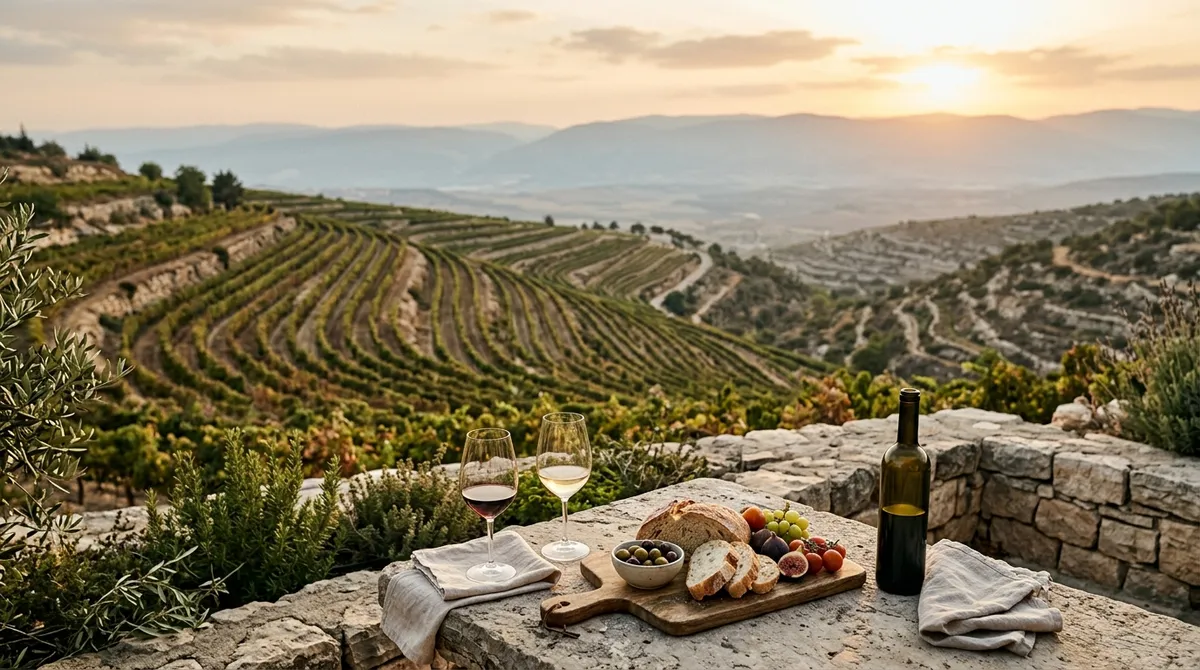
Forbes recently ran a list of the seven best places to visit in 2027, based on picks from luxury travel advisors at OvationNetwork. I can only vouch for what Forbes' summary lays out: the list leans on three themes. Two major sporting events, a wetland most Americans can't find on a map, and a bicultural Alpine region.
That's a thin slice of a seven-item list, so I'm not going to pretend I know the full roster or invent the missing destinations. What I can do is show you what these themes mean for planning a trip, especially if you work from your laptop and can move around more easily than most people.
The pattern: pick a place with a "why now"
Per Forbes, the advisors' choices share a strong reason to go in 2027 beyond the usual bucket-list staples. That's useful thinking for any traveler, budget or luxury.
A "why now" can be an event, a place that's about to get more attention, or a region that's simply harder to reach. Having one gives you a deadline, and a deadline gets flights and stays booked before prices climb.
For a digital nomad, here's a quick test for any destination you're considering:
- Is there a date-specific reason to be there?
- Will it be more crowded or expensive in a year?
- Can you work from there reliably for at least a week or two?
If you get two yeses, put it on your shortlist now.
Sporting events as a travel anchor
Forbes says two of the highlighted destinations are tied to major sporting events. The summary I have doesn't name the events or the host places, so check the original article for specifics.
The broader lesson holds up anyway. Big events pull travelers to a place on fixed dates, and that changes how you should plan:
- Book lodging first. Rooms near event venues tend to go early, so look as soon as dates are announced.
- Consider going just before or after. You can often see the same destination with fewer people by shifting a week.
- Treat the event as optional. You don't have to attend to benefit from the buzz. Restaurants, tours and nightlife often get a boost.
If you're a nomad, a sports-heavy destination can also mean pricier short-term rentals and busy cafes. Scout coworking spaces and a backup wifi plan early.
The wetland most Americans can't place on a map
This is the pick I find most interesting. Forbes describes it as a wetland most Americans can't find on a map. The summary doesn't say where it is, so I won't guess.
What the description does tell you is that advisors see value in lesser-known nature. Places like this usually reward you in a few ways:
- Smaller crowds and a slower pace
- Wildlife and landscapes that don't look like everyone else's feed
- Fewer polished options, which means planning ahead matters more
The trade-off is access. Remote nature spots often have limited lodging, patchy connectivity and fewer transport options. If you plan to work during the trip, treat it as a offline-friendly stretch. Pair it with a base that has solid internet before or after.
A bicultural Alpine region
The third highlighted theme is a bicultural Alpine region. Again, Forbes' summary doesn't name it, so I'll stick to why the idea appeals.
A place shaped by two cultures tends to give you more in one trip: two sets of food traditions, often more than one language, and a mix of architecture and customs that you can feel within a day of arriving. For food-motivated travelers, that's a strong draw.
Practical moves for any region like this:
- Learn a few phrases in both languages. Even a handful of greetings goes a long way.
- Eat locally and ask what's regional rather than defaulting to the tourist menu.
- Check the season. Alpine areas can feel completely different depending on when you go, and some services run on limited schedules.
How to plan 2027 without overspending
Luxury advisors work with luxury budgets, but their logic scales down. Here's how to borrow it:
- Start with the "why now." Choose one trip with a clear hook rather than spreading across ten vague ideas.
- Book the hard-to-get parts first. That's usually lodging near events or in remote areas. Flights are often easier to adjust.
- Look for flexible cancellation. Planning a year or more out means plans can change.
- Use a human when it counts. Forbes' list comes from advisors, and for complicated or remote trips, someone who handles logistics every day can save you real headaches.
Get the full list
Since the summary I have covers only three of the seven picks' themes, read the original Forbes piece for the actual destinations and the advisors' reasoning. Then pick one, find its "why now," and check lodging dates this week.